Drive down the Overseas Highway in summer and you’ll pass stone crab traps stacked head-high in side yards and boat lots. They go back into the water in early October, and fresh claws are on menus as soon as the season opens on October 15. The printed menu looks the same in July, but a claw ordered then comes out of a freezer. Lobster, grouper and even mangoes run on their own calendars, and most visitors never check them before they book. Learn the dates and you can plan a trip around what the boats are bringing into the restaurants in the Florida Keys.
If you’re a foodie and looking forward to eating your way through the Keys, this is the guide for you! We’ve got tips for what’s the freshest when and what seafood is in season. Consider this your calendar for planning a food-based trip through the Florida Keys. If you have any questions about the info or our recommendations, please leave a comment or send us a note. We’re big into food also and are always happy to share more to help YOU plan a great trip through the Keys.
Eating Your Way through the Keys by Month
Starting with January and working all through the months of stone crab, grouper, local mangos and key limes, this guide will help you know what to look for on the menu as you eat your way from Key Largo to Key West. Of course there are more things to do on Key Largo than eat mahi tacos and key lime pie, and yes, you can have more fun that simply eating seafood in Key West all day, but good food really can make a trip great.
January Seafood to Enjoy
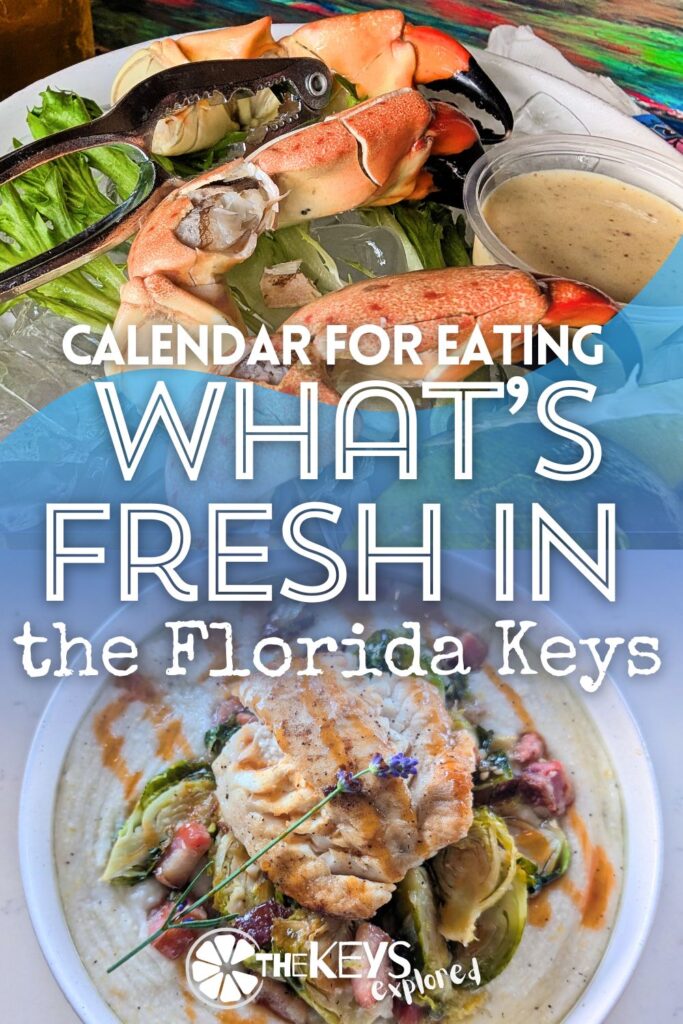
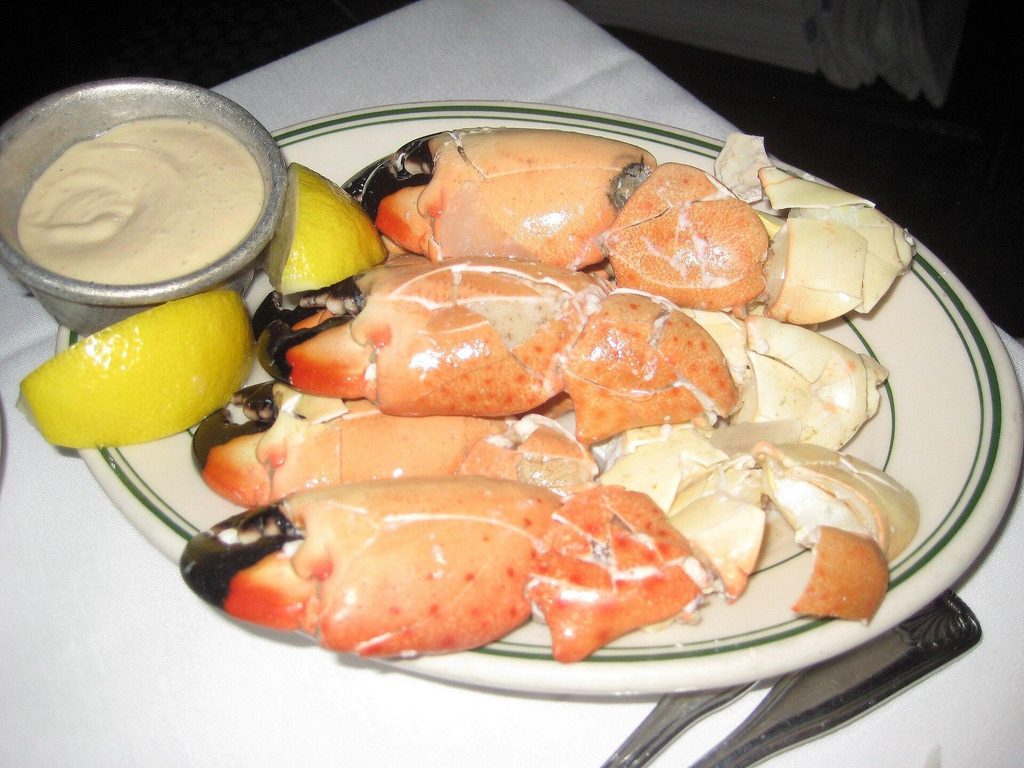
January is deep in stone crab season, and winter cold fronts tend to bring some of the best catches. The meat is sweet and dense, closer to lobster than to blue crab. It’s firm enough to pull out of the shell in one piece and drag through the mustard sauce. Only the claws are taken. Fishermen twist them off and put the crab back in the water, where it grows new ones.
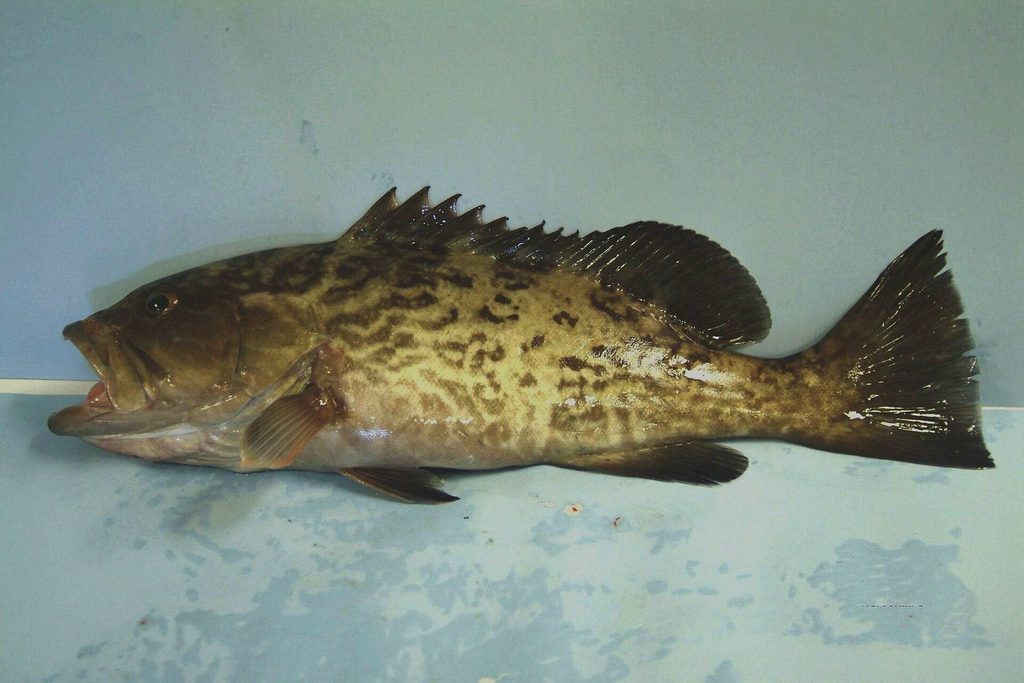
Grouper is the catch to be careful with this month. Gag and black grouper spawn in winter, and on the Atlantic side, where most Keys boats fish, they’re closed to harvest from January 1 through April 30. A gag or black grouper sandwich in January most likely came out of a freezer.
February for Hogfish
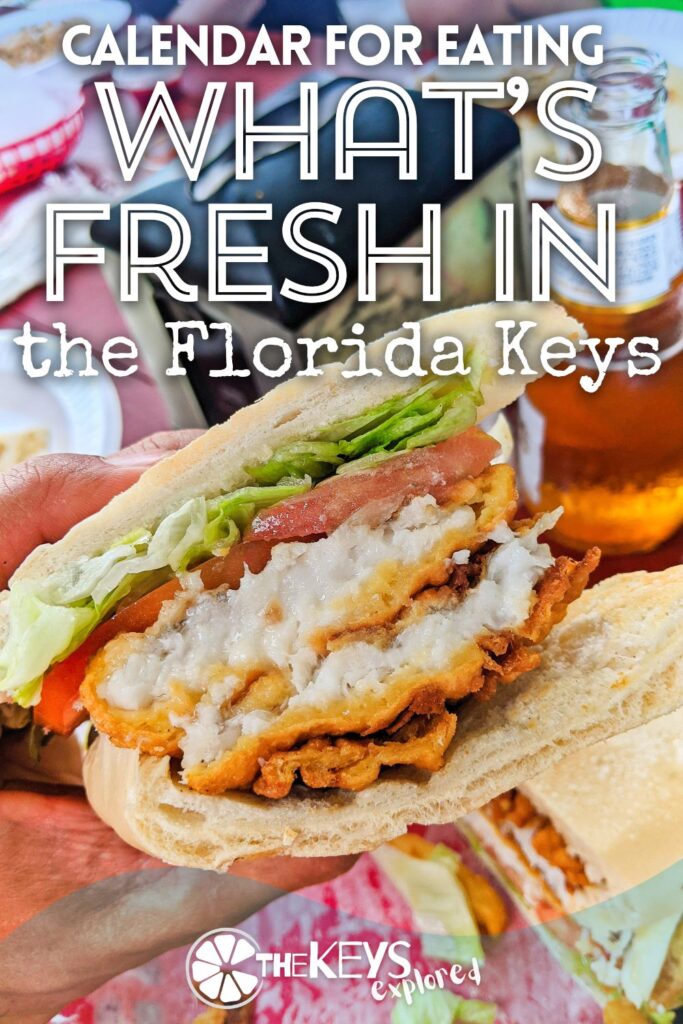
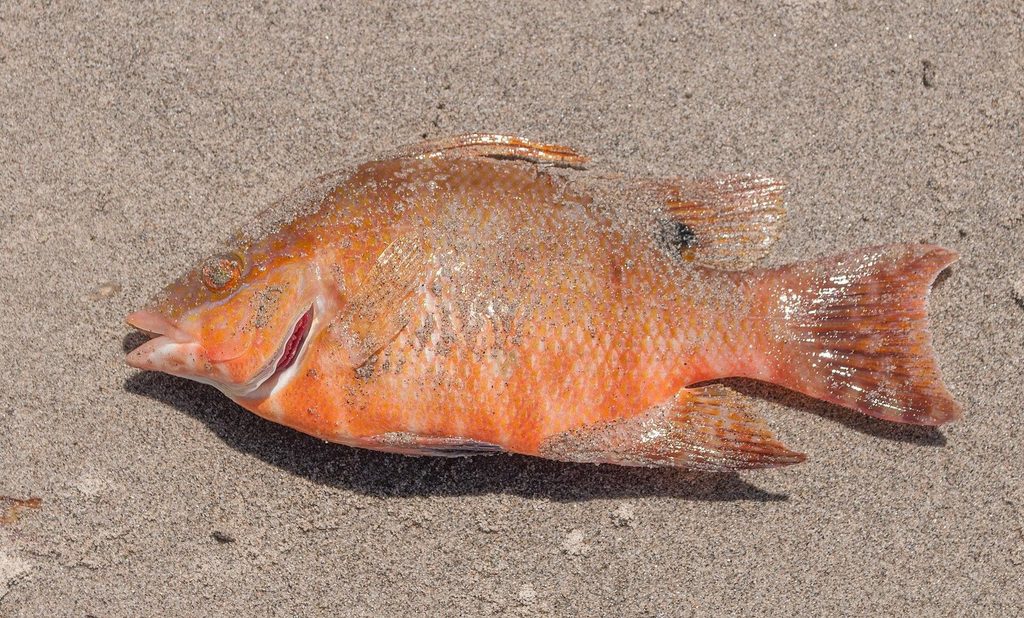
On a February trip to Marathon, I asked the cook at a fish house on the bay whether he recommended the lobster. He said it was fine but everybody orders it, and told me to get the hogfish instead. Hogfish are named for their long, pig-like snouts. They rarely take a hook, so divers spear nearly all of them. That makes them hard to find on menus outside South Florida. Mine came pan-fried with a squeeze of lime. It was white and mild, and I’d order it over any snapper on the board.
March for Local Shellfish
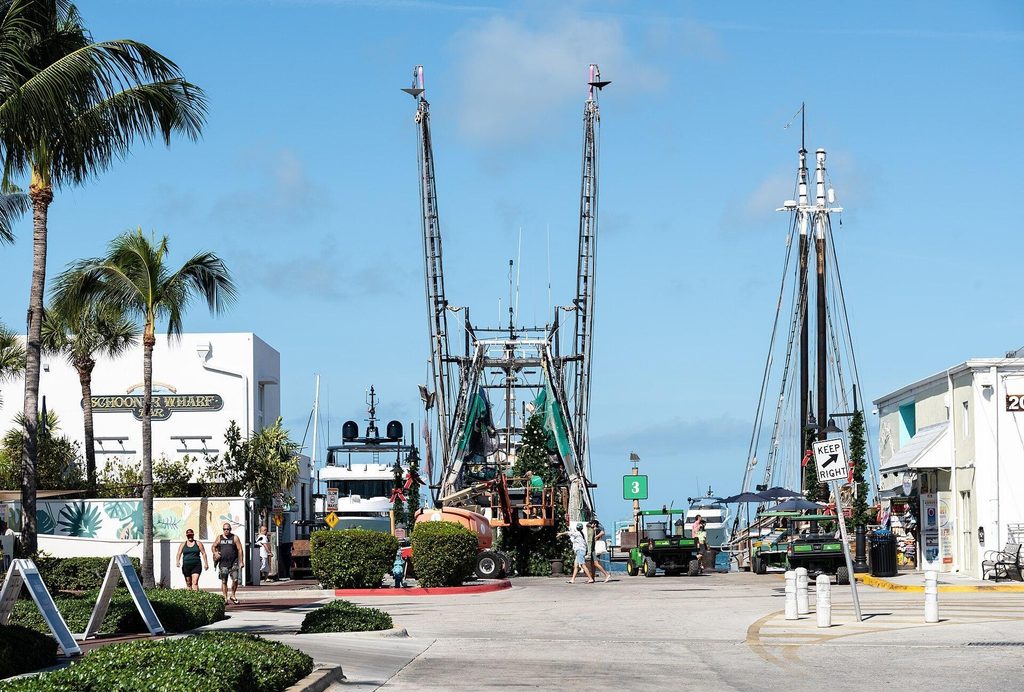
The best thing I ate one March came in a paper boat at a dock bar on Stock Island (near the Perry Key West), just outside Key West: a pound of Key West pinks (shrimp), steamed in the shell. They were firm with a clean, briny edge. I’d peeled half of them before I remembered the cocktail sauce. The boats catch them at night on the grounds toward the Dry Tortugas, where pink shrimp spend the day buried in the sand. Shrimpers found the beds out there in 1949, and the rush of boats that followed is why the shrimp are still called pink gold.
Pink shrimp are caught all year, but locals say they’re best in spring. March is also the last month you can order pink shrimp, lobster and stone crab all fresh at once. The Florida Keys’ spiny lobster season closes on the 31st.
April for Fresh Mahi
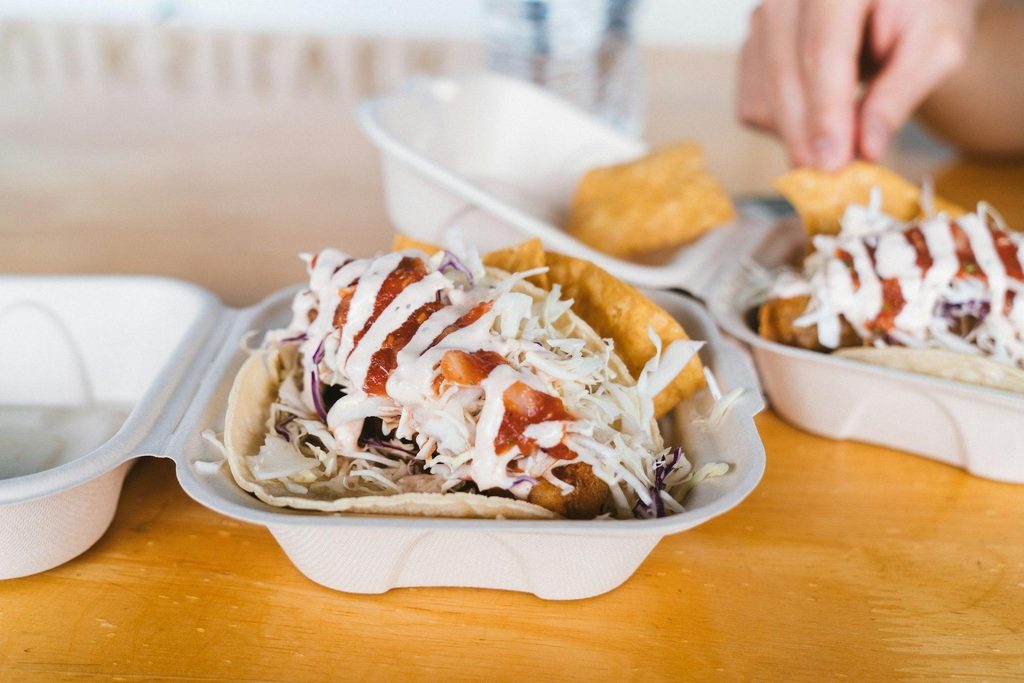
Mahi (also called dorado) run past the Florida Keys in spring, and from April on the charter boats come back with mahi most days. The first one I saw pulled over the side off Islamorada was bright blue-green with a gold belly, and by the time we were back at the dock it had faded to silver. Local menus often list it as dolphin fish, but you may see it called mahi or dorado too. It’s mild and a little sweet, and it stays moist on the grill. My favorite cheap lunch in the Keys is mahi blackened and folded into a taco with shredded cabbage and lime.
May for Eating Grouper
Gag and black grouper reopen on May 1 after four months off, so early May is the first chance all year at a fresh, local grouper sandwich. My favorite came from a fish market in Key Largo with three picnic tables out back. The fried fillet was as thick as the bun, and it broke into big white flakes when I bit in. Stone crab season ends the same day that grouper opens back up to fishing. Within a few days the traps are out of the water and back in the stacks by the road, where they’ll sit until October.
June for Mangos and Fresh Fruit
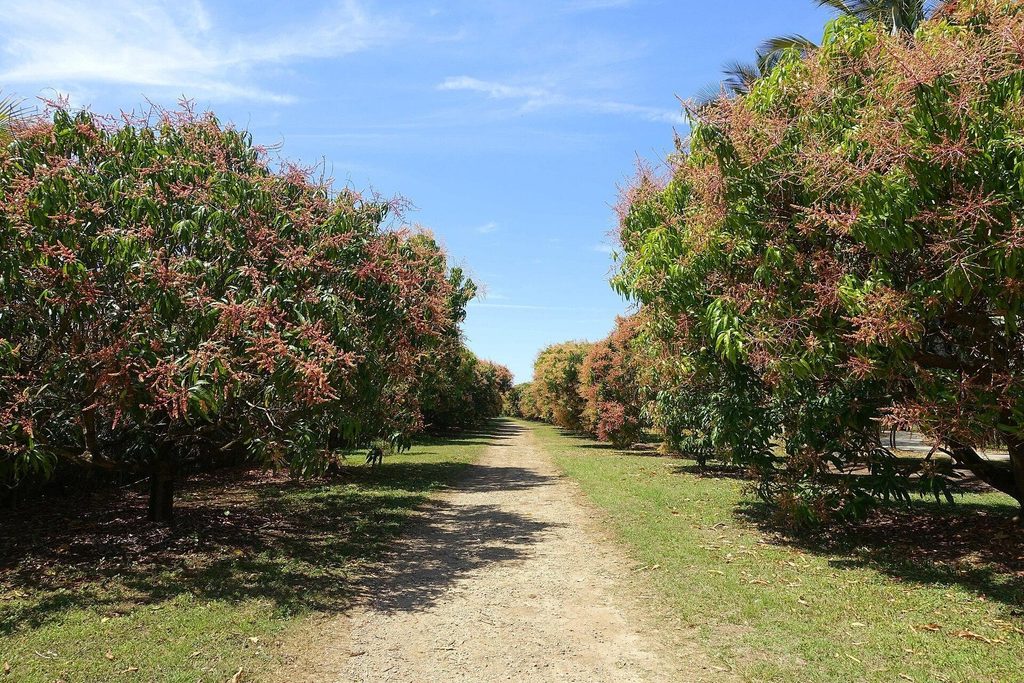
In June, start looking for folding tables along the road in the less developed parts of the Keys. Mango trees grow in a lot of Florida Keys yards, and in early summer the owners set the extra fruit out front with a hand-lettered price and a coffee can for the money. A ripe mango gives a little when you press it and smells sweet at the stem. Eat it over the sink, because the juice will run down to your elbow. I don’t recommend eating one in the car, but absolutely at one of the beach parks like Founders Park in Islamorada or the Spanish Harbor picnic area at the Old Bahia Honda bridge.
July for Catching Lobster
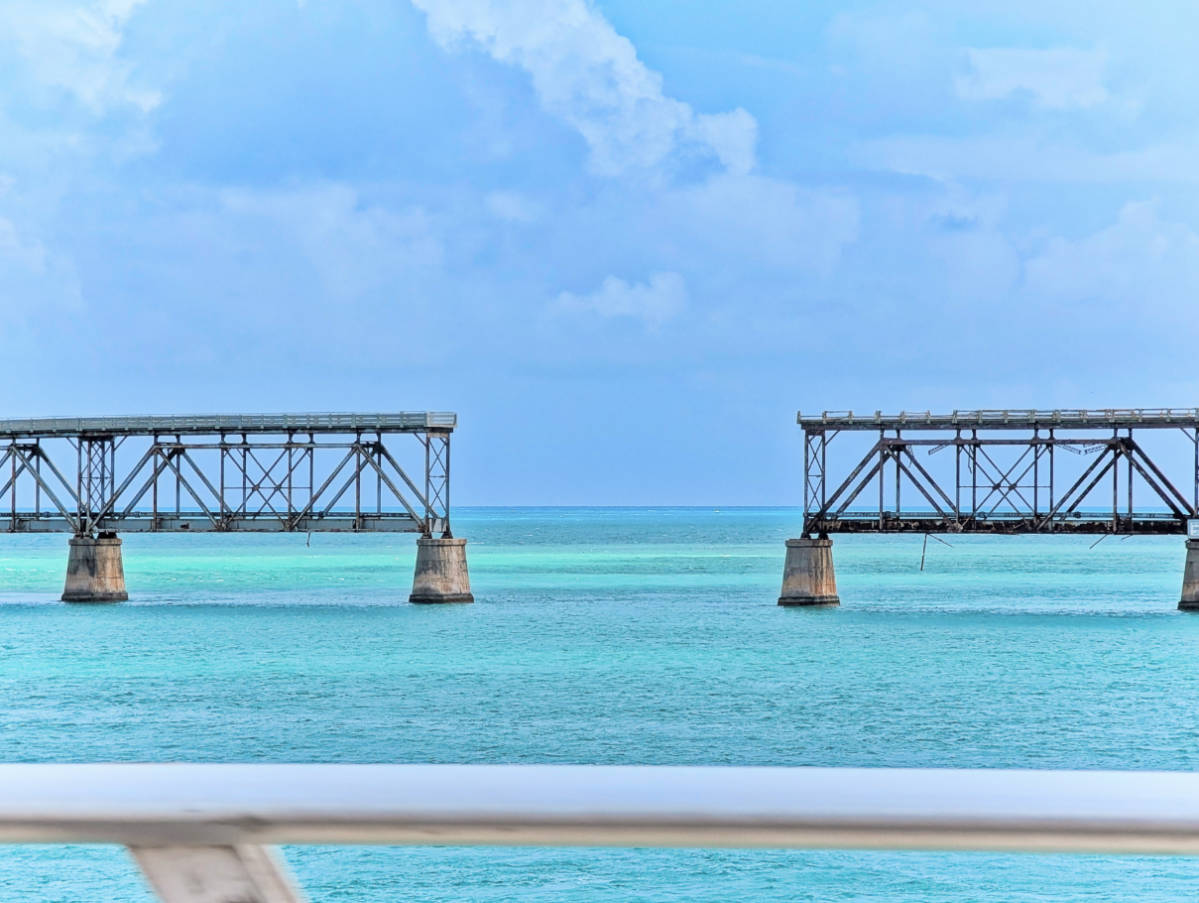
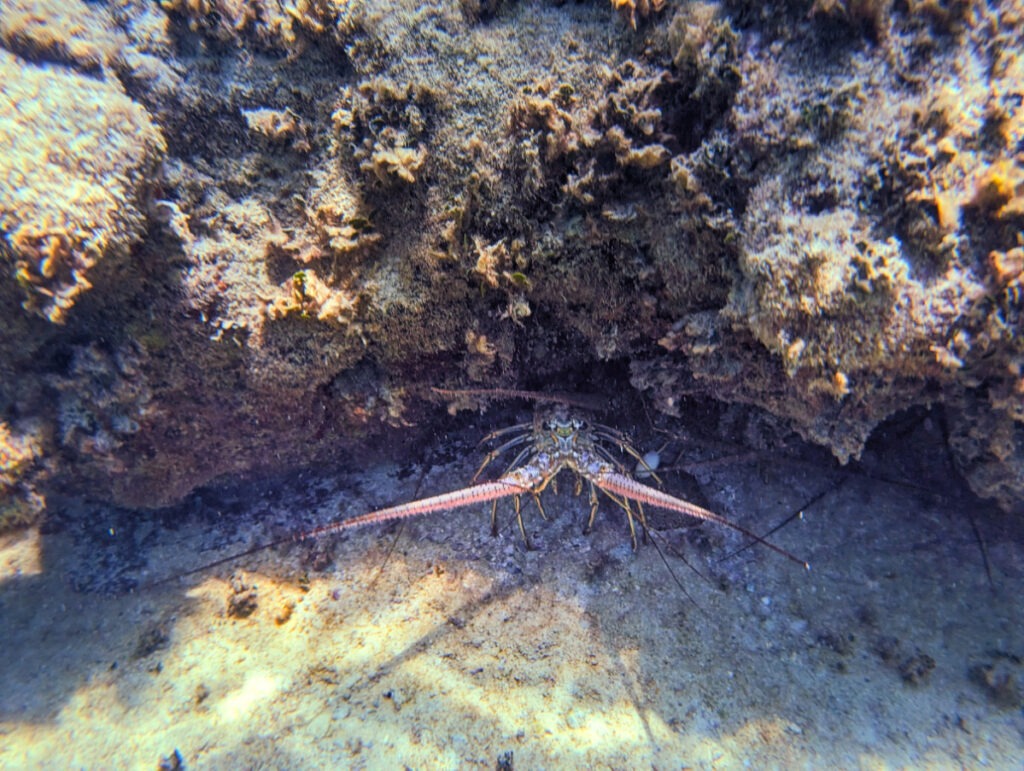
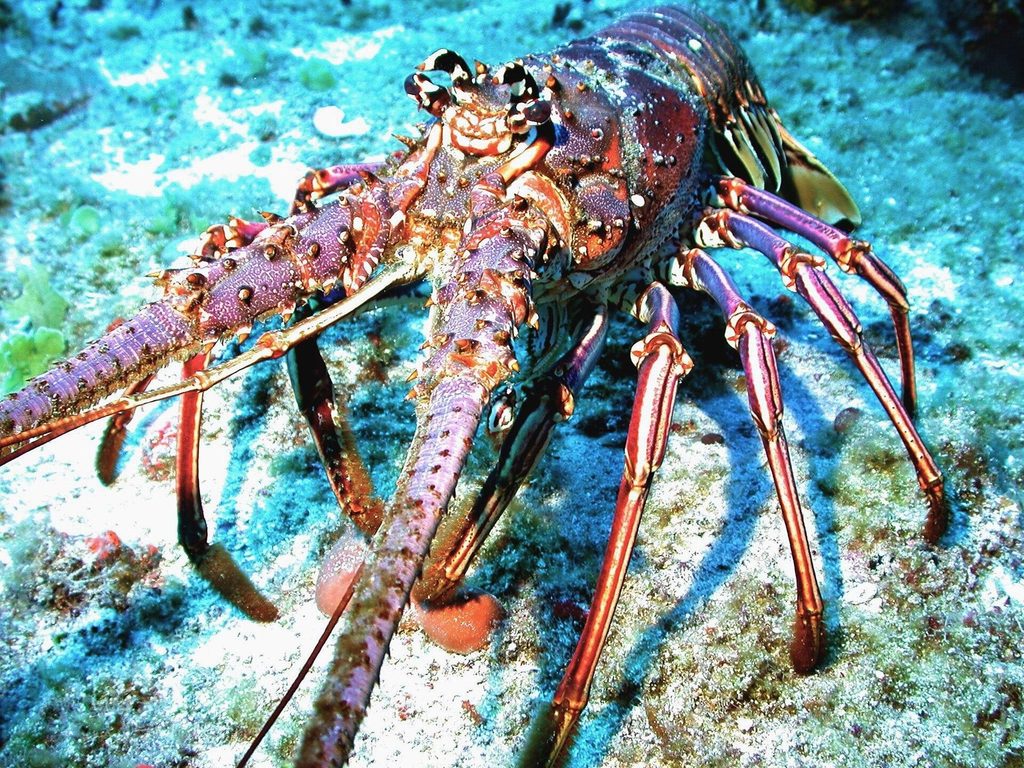
I was walking the old Seven Mile Bridge at six in the morning on the last Wednesday of July, and the water below was already crowded with boats flying red-and-white dive flags. It was the first day of lobster mini-season, when recreational divers get two days to catch spiny lobster before the commercial boats go out in August. Divers can’t sell their lobster, so restaurants are still serving frozen tails. The fresh ones end up on grills behind rental houses and on docks up and down the Keys.
That evening, the family renting the house next to ours came back with a cooler full of them and was kind enough to give us two tails. We boiled them for a few minutes and ate them on the dock with slices of Florida avocado, which come into season in July and are bigger and milder than Hass. Dessert was a key lime pie from the market down the road. The pie is on menus all year, and our key lime pie guide covers where to get a slice from Key Largo to Key West.
August for Lobster in Restaurants
Fresh lobster comes back on August 6 when the commercial season opens. The first fresh tail I ordered came split and grilled with a little char on the shell. It was firmer and sweeter than the frozen tails the restaurants had served in July. August is the hottest month in the Keys, and it storms most afternoons. On that trip we ate our big meal late, after the storm had cooled things off. If a whole tail sounds like too much in the heat, try a lobster Reuben, made with lobster in place of corned beef.
September for Quiet Restaurants in the Keys
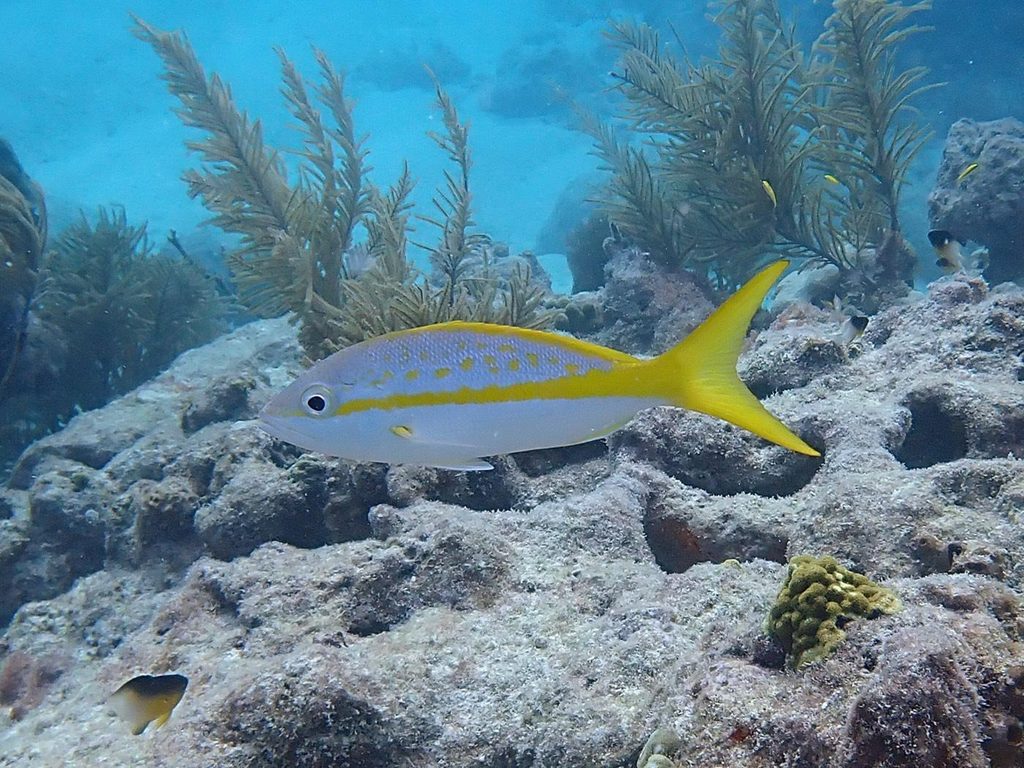
September is the peak of hurricane season and the quietest month in the Keys. Hotel rates hit their lowest point of the year. A lot of restaurants close for a week or two while the owners take their own vacations, so call ahead before you drive anywhere. Nothing new comes into season this month. It’s when I order a whole yellowtail snapper, because it’s slow, messy eating and better without a crowd at your elbow. It comes to the table scored and fried crisp with the head on. You work the meat off the bones with a fork, and the cheeks are the best part.
October when Stone Crab Returns to Menus
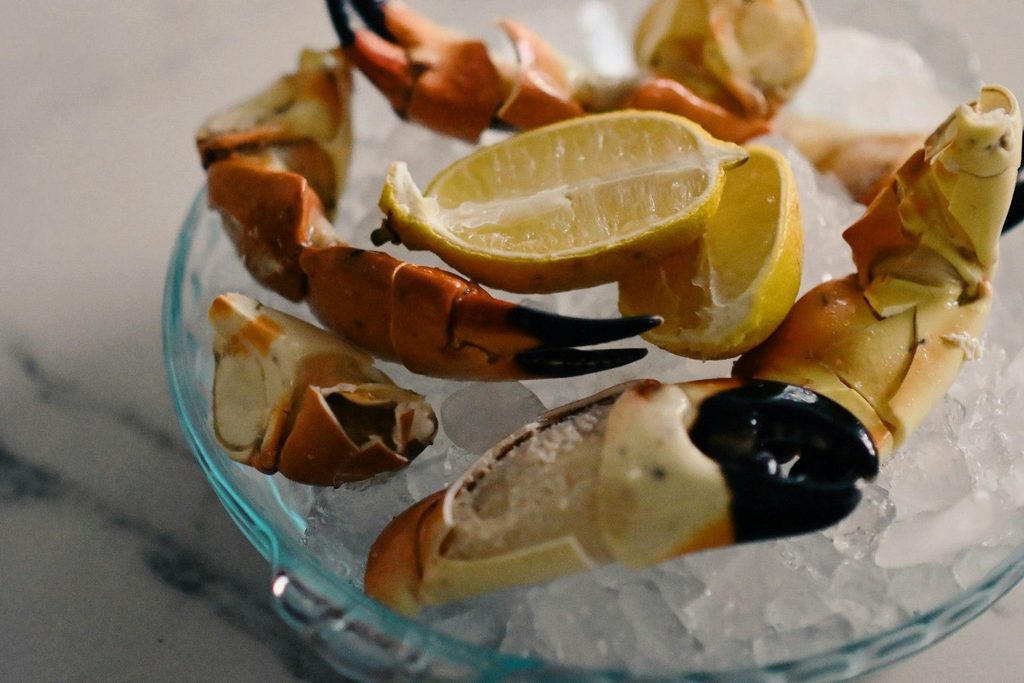
Stone crab season opens on October 15, and I’d plan a trip around opening week at least once. The first claws are on fish house boards by the next evening. They’re cooked on the dock as soon as the boats come in, then chilled, and the ones I had that first night had come off the boat that morning. I ordered a second plate before I’d finished the first. Lobster season has been open since August, so for the first time since March you can order both at the same dinner. It’s still hot, though, and still hurricane season. Avoid Key West the last week of the month, when Fantasy Fest fills the town and hotel rates jump.
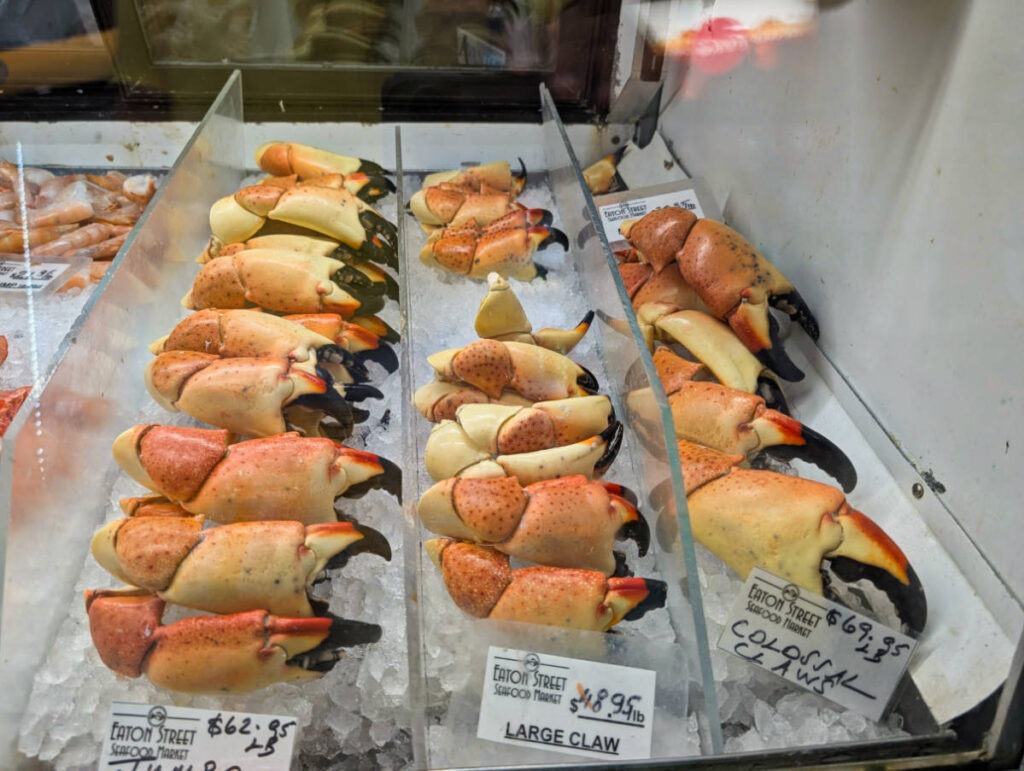
Claws are priced by size: medium, large, jumbo and sometimes colossal. Skip the jumbos. I paid a lot more for them once, and they tasted no different from the larges I had the next night. A pound of large claws is four or five, which is plenty for one person as a starter.
November for Outdoor Dining in the Keys
If I could pick one month for eating in the Keys, it would be November. The crab boats have been out for a few weeks, so claws are plentiful, and lobster is still in season. The heat finally breaks and the worst of hurricane season is behind you. It’s the first month since spring when you can eat lunch outside without sweating through your shirt.
On my last November trip we ate dinner on the deck of a fish house on the Key West harbor almost every night. We’d split a pound of claws and whatever fish the board said had come in that day. After dark the temperature drops to around 70, which is cool enough that a hot tub finally makes sense. Our room had one on the balcony, and we ended every night in it. If you’re staying in Key West, check out this great list of Key West hotels with a jacuzzi or hot tub in the room (names the exact rooms too).

December for Fresh Wahoo Fish
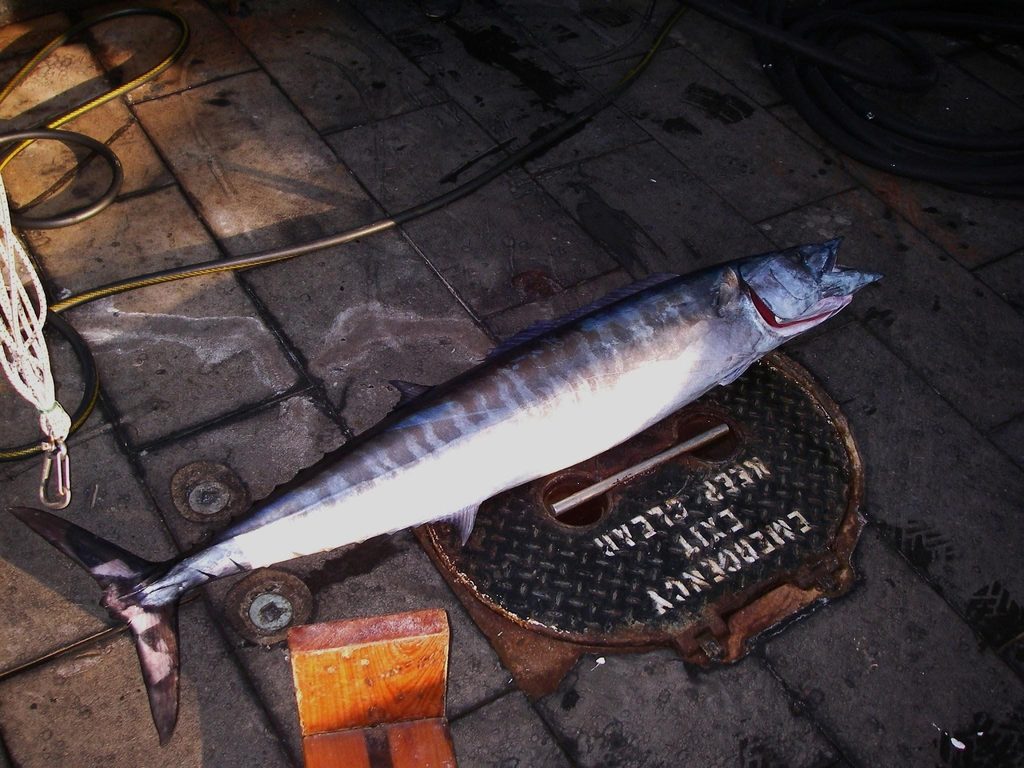
December is wahoo season. Wahoo run through the Keys from late fall into winter, and the charter boats bring them in most days. Smoked wahoo makes the best fish dip in the Keys, and in December a lot of fish houses make their dip with it. It comes in a bowl with saltines and a bottle of hot sauce on the side. Good dip is coarse, with flakes of fish you can see. Bad dip is smooth and tastes mostly of mayonnaise.
One night in Key Largo I ate a bowl of fish dip at a bar on the water during the lighted boat parade. Fishing boats and sailboats went past wrapped in Christmas lights, and the dip was still a little warm from the smoker.
How to Tell Fresh from Frozen
Part of eating your way through the Keys is really seeking out the most fresh menu items, and that means seafood that’s fresh not frozen. Start by asking your server what came in today. At a good fish house the server can name the fish and often the boat that caught it. The boards should also be changing from day to day. A “fresh catch” that never changes is a reason to order something else, and so is a server who can’t say what it is.
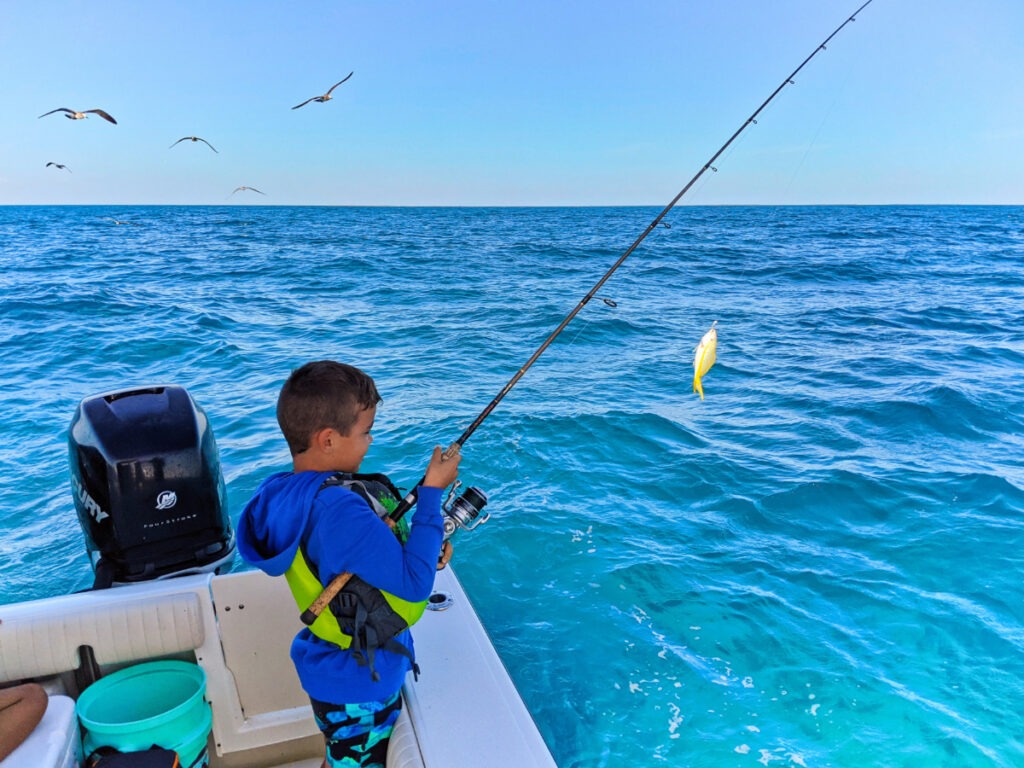
Two orders don’t follow the calendar at all. Conch is never local. Florida closed its queen conch fishery in the mid-1980s, and the fritters and chowder on Keys menus are made with imported conch, mostly from Central America and the Caribbean. Order them if you like them, just not as the local catch. Yellowtail snapper is the opposite. It’s caught all year, so whenever you visit it’s the one fish on the board that’s always fresh.
I’m hungry now. You should feel confident eating your way through the Florida Keys now, having the best fresh offerings whether from restaurants or fish markets. Seafood is such a highlight when it comes to a Keys trip, and hopefully you’ll find some great dishes! If you have any questions about where to eat in the Florida Keys or need some specific recommendations for buying fresh fish to cook for yourself on your trip, please leave a comment or send us a note. We’re always happy to share more and help you plan a great Florida Keys vacation!