Ernest Hemingway’s time in the Florida Keys produced some of the most enduring American writing of the 20th century, and the story behind that output is as interesting as the novels themselves. Even if you aren’t a fan of his writing, you have to admire the edginess and staying power of his catalog. I’ll be the first to tell you that some of his writing is pure boredom, but also should be required reading. Understanding how the Florida Keys setting brought Ernest Hemingway to some of his best work is why I wanted to share this history.
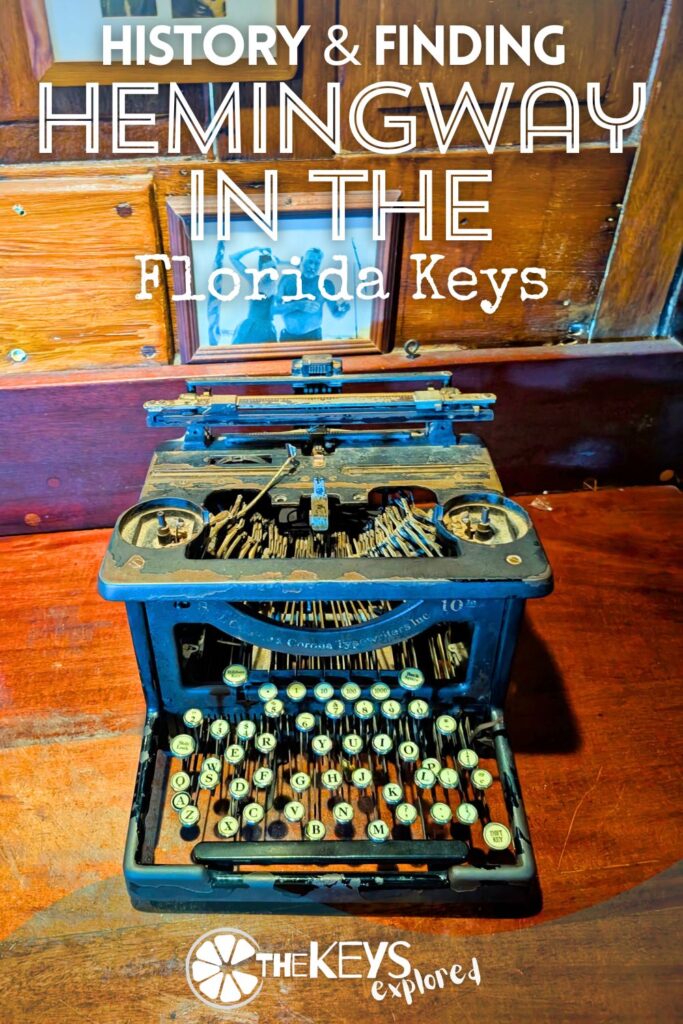
Picture a man at a typewriter in a small studio above a carriage house, windows open to the salt air, with the sound of fishing boats leaving Key West before dawn. That image is not romantic fantasy, but it was Key West in the 1930s, and the man is Ernest Hemingway, doing some of the most important work of his career while living on a sun-bleached island at the end of the road. His connection to the Florida Keys was not a brief stay or a footnote in a longer biography. It was more than a decade of fishing, writing, drinking, and building a life in a place most Americans had never heard of. If you have any questions about visiting Key West and these different Hemingway sites, please leave a comment or send us a note. We love the quirk and intrigue of the Keys and are always happy to chat about it more.
How Hemingway in the Florida Keys Got Its Start
Most visitors who come to Key West today know the name Hemingway and recognize the address, and even the look when there are the Hemingways running around for look-alike contests. Fewer know the full story: the books written here, the bars he actually drank in, or the fishing companions who shaped his worldview as much as any editor ever did. Even if you don’t love his writing style, he was pretty interesting and his time in the Keys left an impression for visitors today.
Book a guided Hemingway’s Key West walking tour here!
The 1928 arrival that started everything
Hemingway first arrived in Key West in 1928, drawn partly by his friend and fellow writer John Dos Passos, who had been singing the island’s praises. He based himself there more permanently from 1931 through 1940, eventually settling into the house at 907 Whitehead Street that would define his Florida Keys years. The Key West he arrived in was a small, sun-baked community at the literal end of the road, reachable via Henry Flagler’s Overseas Railway and surrounded by water on every side. It was affordable, isolated, and far enough from the literary world of New York that a man could actually get work done (he was a grumpy dude).
The Depression hit Key West hard and by the mid 1930s, about 80 percent of residents depended on some form of relief, city government had defaulted on its debts, and the per-capita monthly income had fallen below seven dollars. Hemingway was a visible presence in a town that was otherwise struggling to survive, spending at local bars, restaurants, and bait shops in ways that meant something to working people trying to get by. The contrast between his productive, socially active life and the hardship around him gave his Key West years a gritty, grounded quality that would show up directly in his work.
Note: I’m not calling out his spending as him showing off, but because even though he was kind of a cranky, broody guy, he actually was a part of the Key West world in a good way.
Why the water mattered as much as the writing desk
Fishing was not a hobby for Ernest Hemingway in the Keys. It was ritual, research, and the base structure of his daily life. His first major Keys fishing trip took him to the Marquesas aboard a boat captained by Bra Saunders, and from there the expeditions expanded: Dry Tortugas runs, Gulf Stream trolling for marlin, and later offshore trips after he bought his boat, Pilar, in 1934. His regular companions included Charles Thompson, captain Joe Russell, Waldo Pierce, John Dos Passos, and a rotating cast of friends he called the “Mob.”
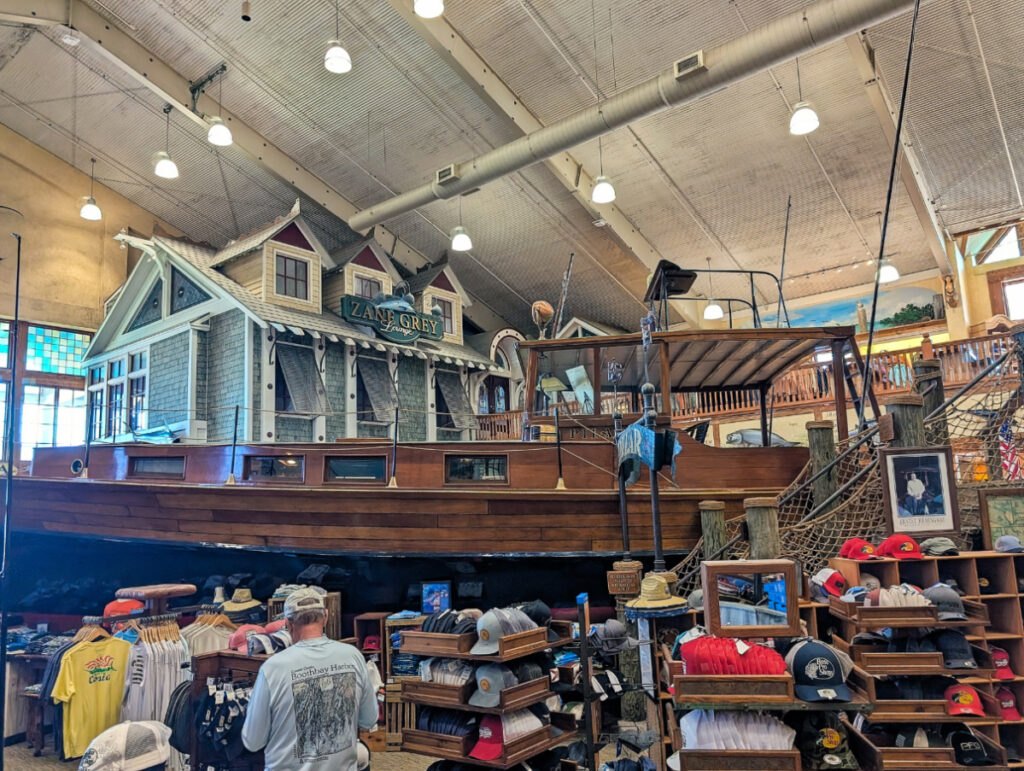
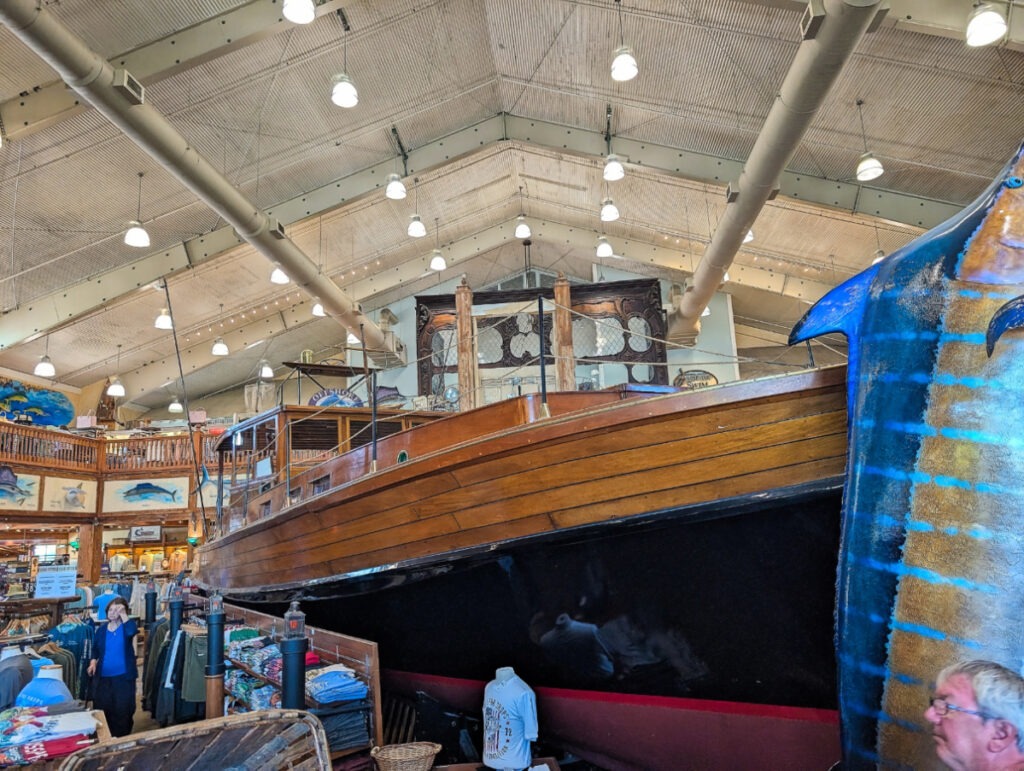
TIP: you can visit the Pilar and actually go aboard it at the Worldwide Sportsman Islamorada (Bass Pro Shop) where they have it well preserved and open to the public inside the store.
Joe Russell deserves particular attention. He was the owner of a bar on Greene Street, a fishing companion, and a man whose hardy personality left a clear mark on Hemingway’s fiction. The time spent on the water with Russell and the others was not separate from the writing life. It fed directly into it, supplying character, dialogue, and atmosphere that no research trip could have replicated. Even if Ernest Hemingway’s characters aren’t always sailing or even maritime associated, the being on the water shaped how he wrote them.
Hemingway Books Written in the Florida Keys
Not every book Ernest Hemingway wrote came from his time in the Keys, but some of his most famous works were written here. I know, The Snows of Kilimanjaro doesn’t have the Keys in it at all, but if you visit Key West and see Hemingway’s study and how he filled his personal space, you can feel how this writing setting could’ve influenced his writing.
From A Farewell to Arms to For Whom the Bell Tolls
The scope of what Hemingway produced during his Key West years is amazing. He finished A Farewell to Arms here, along with Death in the Afternoon, Green Hills of Africa, The Snows of Kilimanjaro, The Short Happy Life of Francis Macomber, and To Have and Have Not. He also worked on For Whom the Bell Tolls while living on Whitehead Street. These were not minor works filling a quiet retreat in the Keys, but they represent the core of his literary reputation. I wish I could be that creatively productive and generate work that is talked about for decades, and soon a whole century later.
To Have and Have Not is the most directly Keys-rooted of the group, set on the waters between Cuba and Florida and following a character whose circumstances and moral landscape mirror the Depression-era Key West that surrounded Ernest Hemingway every day. Reading it after walking the streets of Old Town gives the novel a completely different feel. The geography is real. The atmosphere is not invented.
TIP: read To Have and Have Not before coming to the Keys so it’s fresh in your mind, and then spend a few days hanging out in Key West and getting out on the water.
How the Keys environment shaped Hemingway’s voice
The isolation of the island, the maritime setting, and the working-class community around him gave his writing during this period a physical, focused quality that critics have associated with his best work. Proximity to Cuba added geopolitical edge, even before Cuba was a hot topic everyone knew about. The fishing life demanded precision and patience, two qualities that translate directly to the kind of stories he was building at his typewriter above the carriage house. Key West was not just a backdrop but a major influence in everything he produced here.
Inside the Hemingway Home and Museum at 907 Whitehead Street
I really enjoy visiting the Hemingway Home and Museum and recommend it for anyone who’s even mildly a fan of American literature. You don’t have to like Ernest Hemingway’s writing style and storylines, but it’s still a very interesting place to visit.
The writing studio above the carriage house
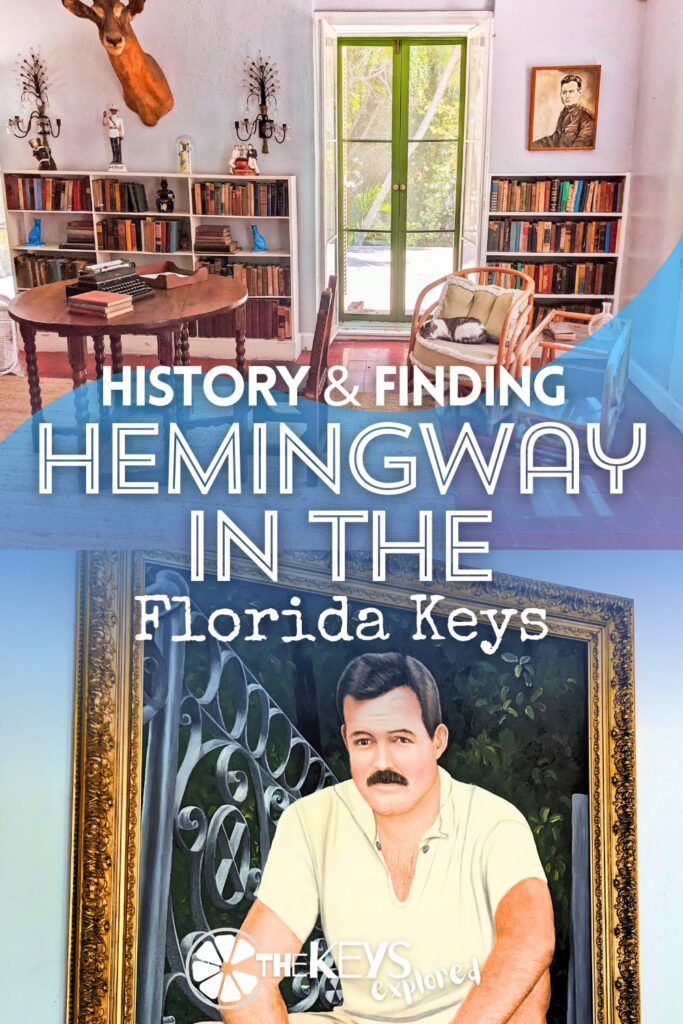
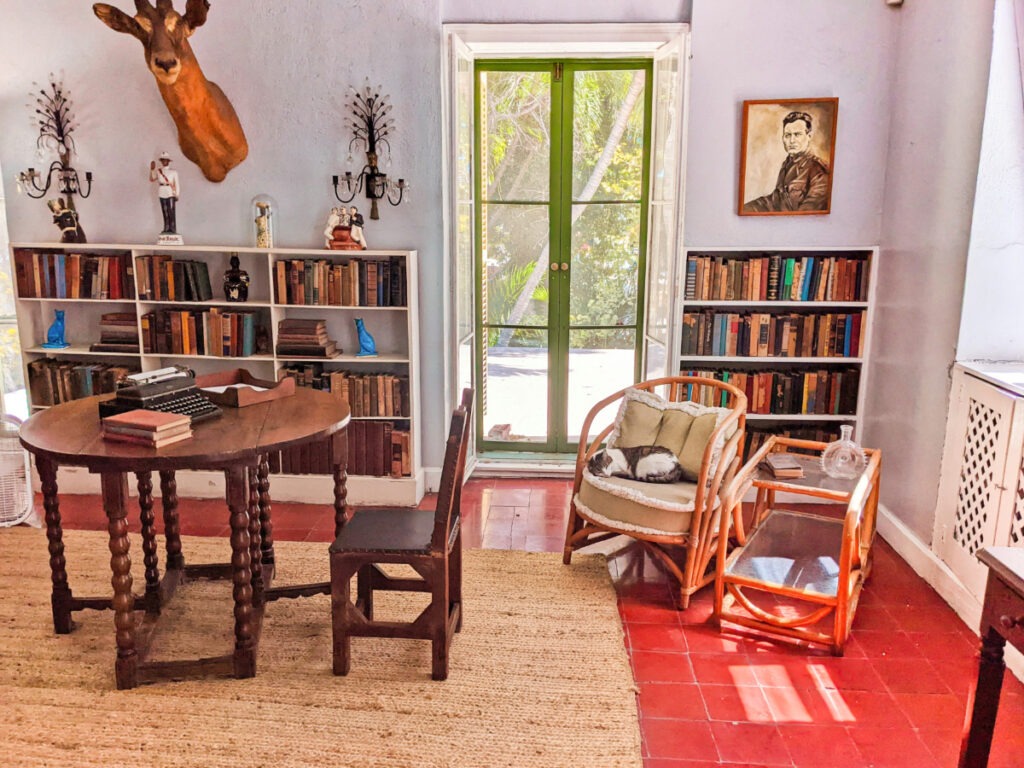
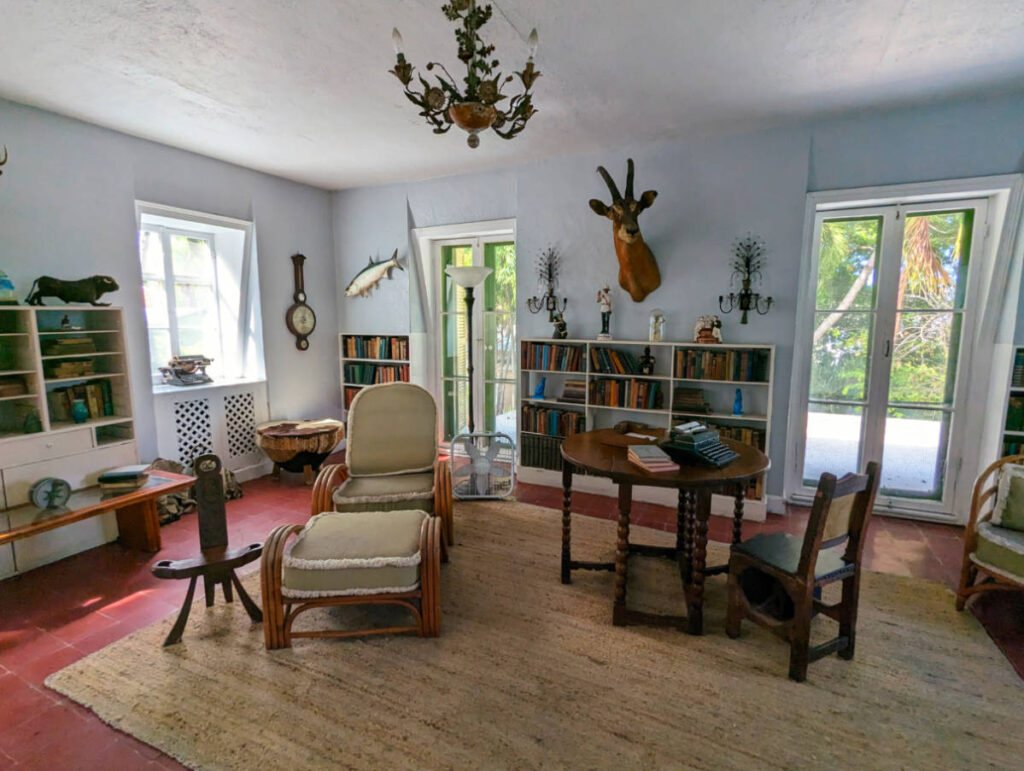
The detached studio where Hemingway did most of his writing sits above the carriage house, connected to the main house’s upper level by a catwalk. Its separation from the domestic life below was deliberate. Hemingway needed the distance, both physical and psychological, to work. Visitors can see the studio with its personal effects and artifacts that make the reality of his creative routine tangible in a way that no biography quite captures, standing in that room, the discipline of the man becomes concrete. One day I’ll have a similar space and I’ll create my best work…
The polydactyl cats: descendants of Snow White
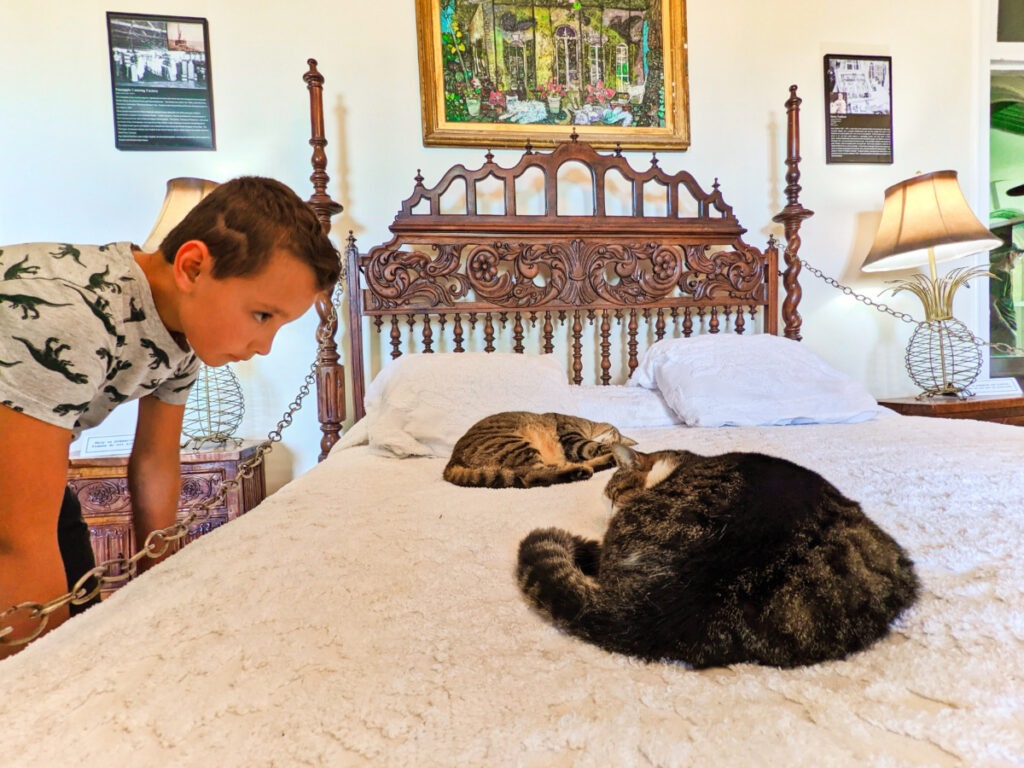
The polydactyl cats are perhaps the most famous feature of visiting the Hemingway Home and Museum. A ship captain gave Ernest Hemingway a six-toed cat in the 1930s, and that cat, named Snow White, became the matriarch of what is now a population of around 40 to 50 cats (the count shifts with births and deaths) living freely on the property. Roughly half are polydactyl, carrying the genetic trait that made Snow White unusual. Each cat on the property carries the name of a celebrity, and they roam the gardens, nap on the historic furniture, and regard visitors with the particular indifference that only cats and very confident writers achieve. The cats have full legal protection as part of the museum’s heritage status, the result of a prolonged dispute with federal regulators that eventually went to a U.S. Court of Appeals in 2012.
The gardens, the pool, and the house itself
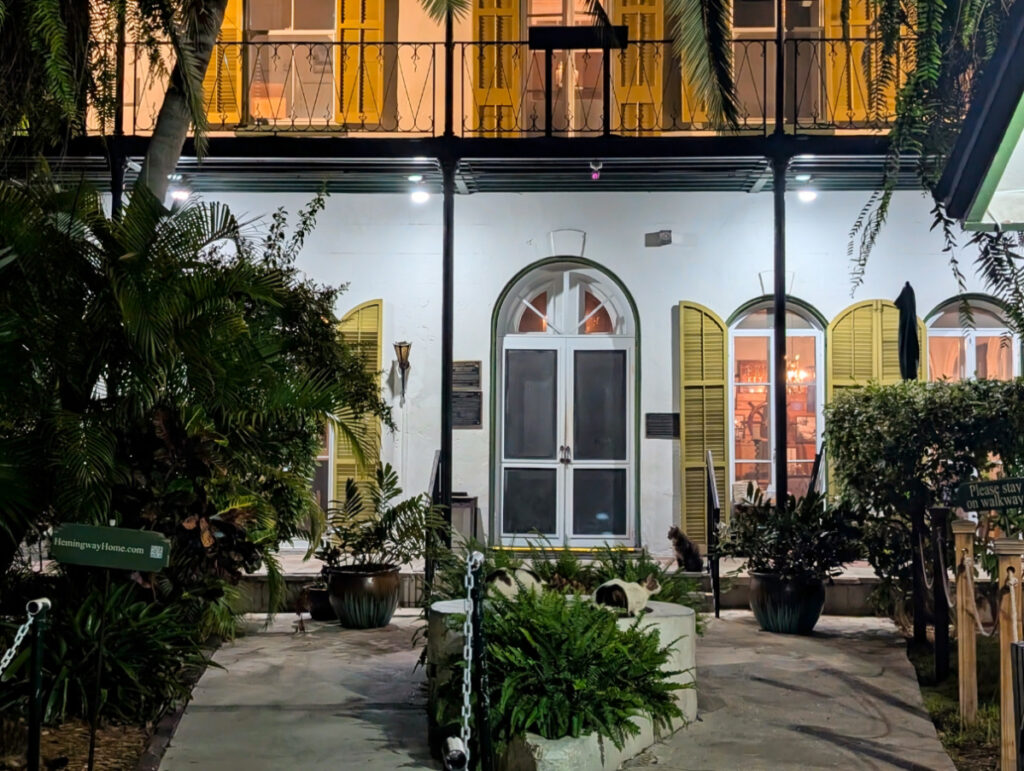
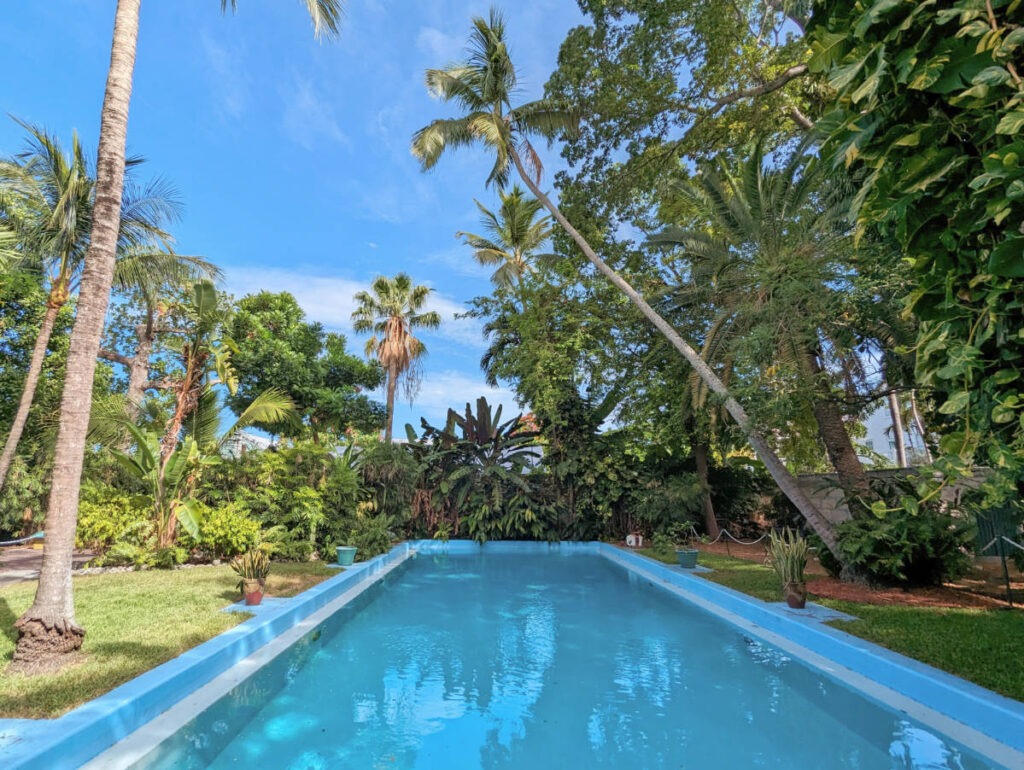
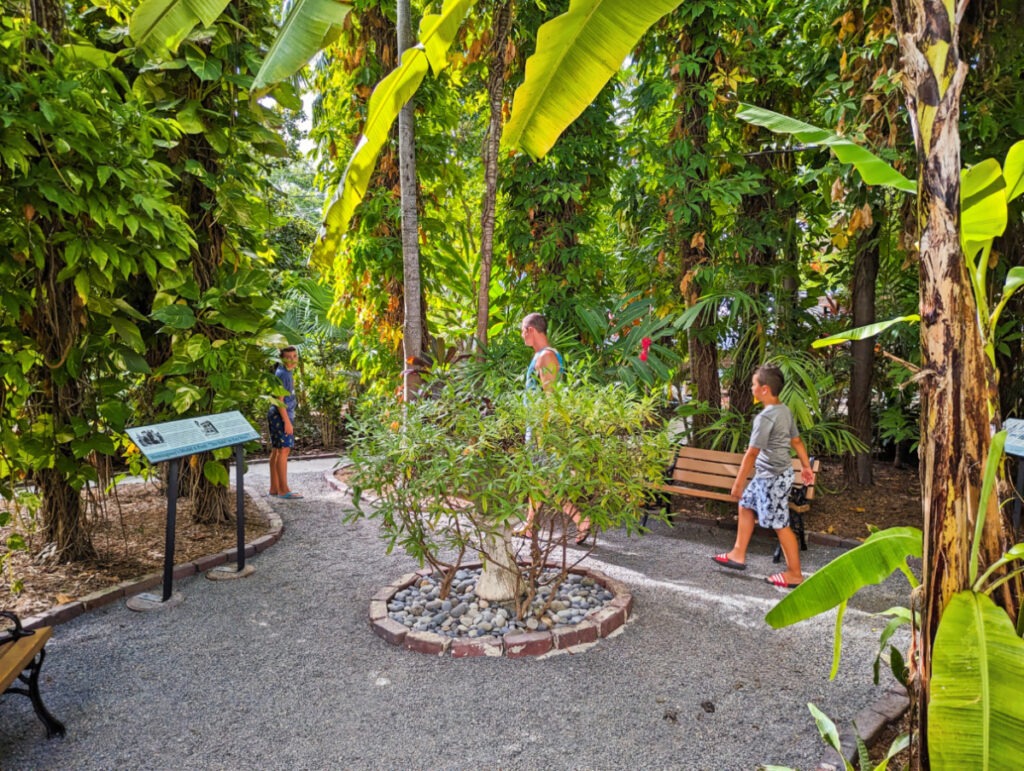
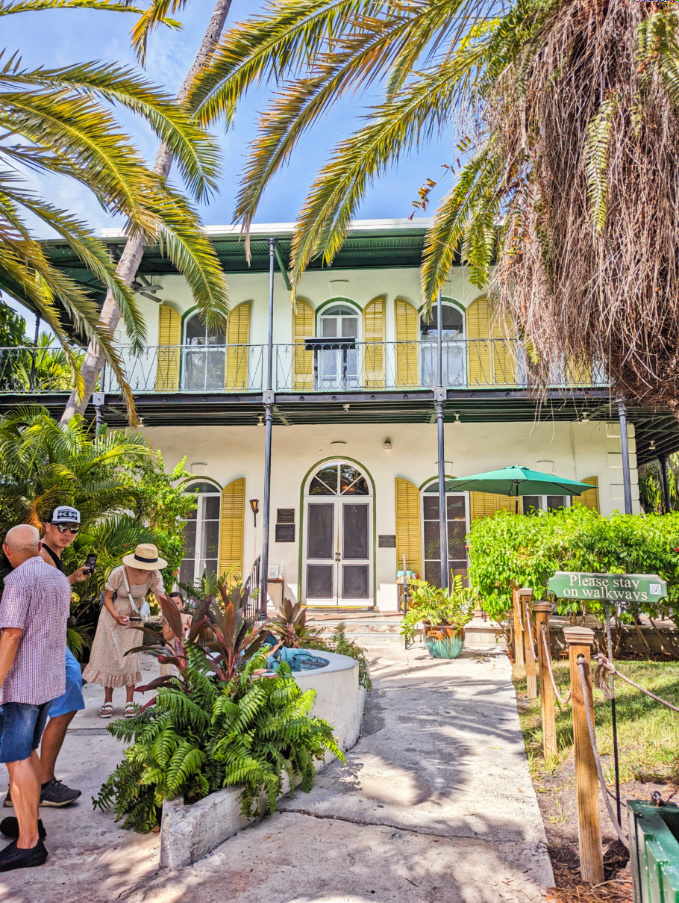
The Spanish Colonial main house sits inside lush tropical gardens that feel genuinely removed from the Duval Street energy a few blocks away. The in-ground swimming pool was one of the first in Key West when it was built, and its cost famously prompted Hemingway to press a penny into the wet cement and tell his then-wife Pauline she had taken his last cent. Original furnishings, photographs, and personal memorabilia fill the interior and give a clear portrait of life on the island. Plan at least 90 minutes to move through everything without feeling rushed, or if you’re joining a tour. If you want to linger in the gardens with the cats or read the exhibit panels carefully, two hours is more realistic.
Hemingway Home tickets, tours, and what to expect on arrival
The Hemingway Home and Museum is open every day of the year from 9 a.m. to 5 p.m. Admission is $19 for adults, $7 for children ages 6 to 12, and free for children under 6. Tickets are sold at the main gate only. No reservations are required and no online booking is available for standard admission. Guided tours run every 15 minutes starting at 9:15 a.m. and last about 30 minutes. A 3% processing fee applies to card and mobile payments, so bringing cash saves you the surcharge. Hours, prices, and tour schedules can change, so confirm the latest details on the museum’s official website before your visit.
Guided tour or self-guided: which works better for you
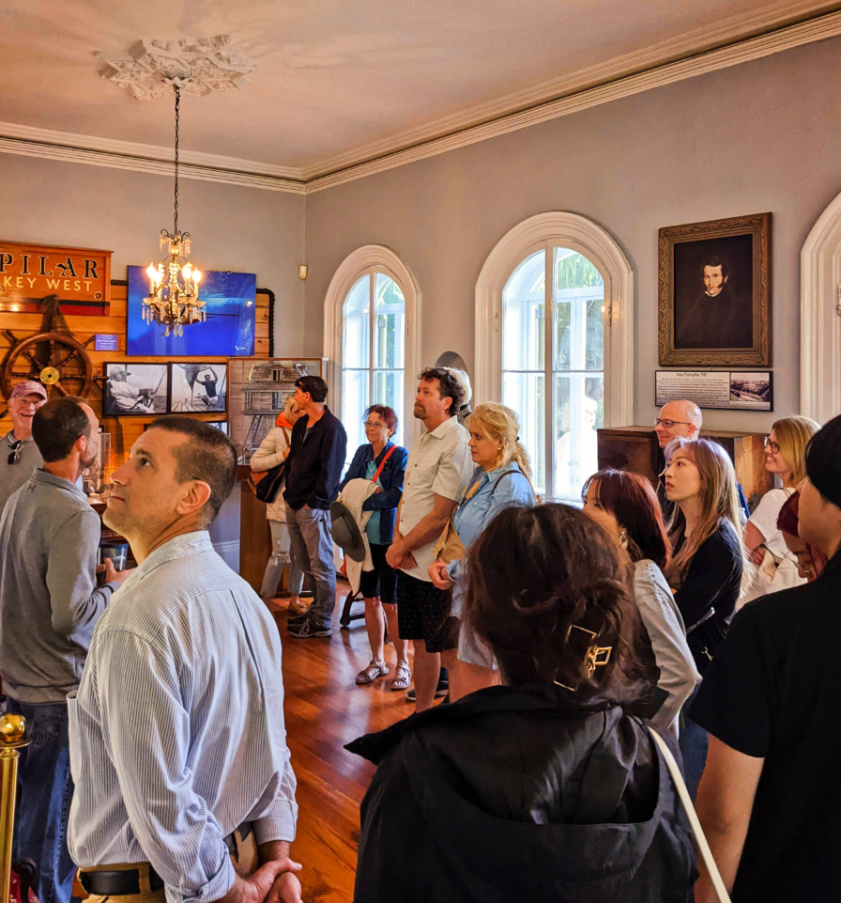
For first-time visitors, the guided tour is the better starting point. The guides add historical context and storytelling that most people miss when wandering on their own, and the 30-minute format is efficient without feeling rushed. Your admission ticket covers unlimited time on the grounds after the tour ends, so a practical approach is to do the guided portion first and then spend the remaining time exploring the garden, watching the cats, and browsing the bookshop at your own pace. If you already know the history well and mainly want to spend time with the cats and the atmosphere, a self-guided visit works perfectly fine and gives you complete flexibility over where you go and how long you stay.
Key West haunts Hemingway made his own
So if you want to do your own Ernest Hemingway crawl through Key West, there are some great cocktail spots and hangouts that are still around, and sites you can visit even though they’ve changed over the years. Get a Hemingway Self-Guided Walking Tour here!
Captain Tony’s, Sloppy Joe’s, and the bar that moved
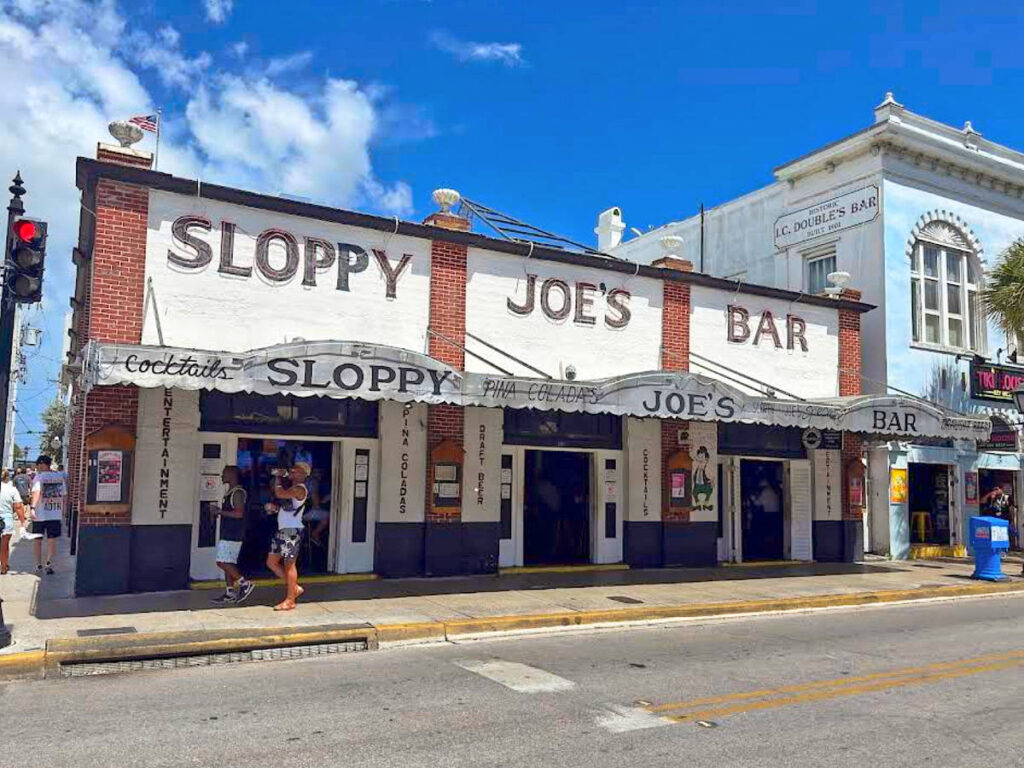
The story of Key West’s two most Hemingway-associated bars is worth knowing before you visit either one. The original Sloppy Joe’s opened at 428 Greene Street in 1933, after Prohibition ended, in a building that had previously served as an ice house and, at one point, a city morgue. Joe Russell ran the bar, and Hemingway was a regular. In 1937, Russell’s landlord raised the rent. Rather than pay it, Russell recruited customers to help carry the furniture, fixtures, and drinks down the street to a new location at 201 Duval Street. The move happened on May 5, 1937, reportedly timed for when the landlord was out of town.
The Greene Street location eventually became Captain Tony’s Saloon, which still operates today. Walking both bars in sequence gives you a layered understanding of how Hemingway’s actual social world looked versus how Key West has packaged and mythologized it over the decades. Captain Tony’s is where the real history happened. Sloppy Joe’s on Duval is where the legend lives. Both are worth your time, and they are less than a block apart.
Casa Antigua, Blue Heaven, and rounding out the loop
Casa Antigua at 314 Simonton Street was Hemingway’s first Key West apartment, part of an auto dealership complex when he arrived in 1928. It gives useful context for understanding how his relationship with the island evolved before he settled permanently on Whitehead Street. In Bahama Village, at the corner of Thomas and Petronia streets, the site of the old Key West Arena marks where open-air boxing matches took place during Hemingway’s years on the island. He was a regular spectator and a boxing enthusiast who sparred himself, and these fights were a social hub for the working-class community he moved through daily.
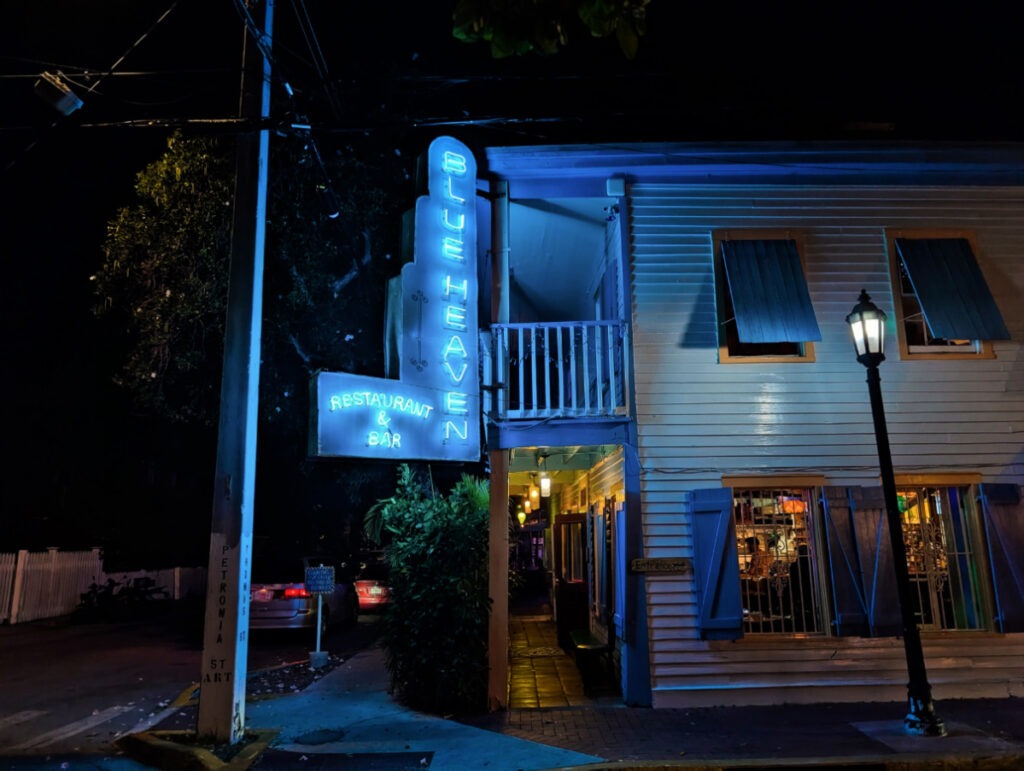
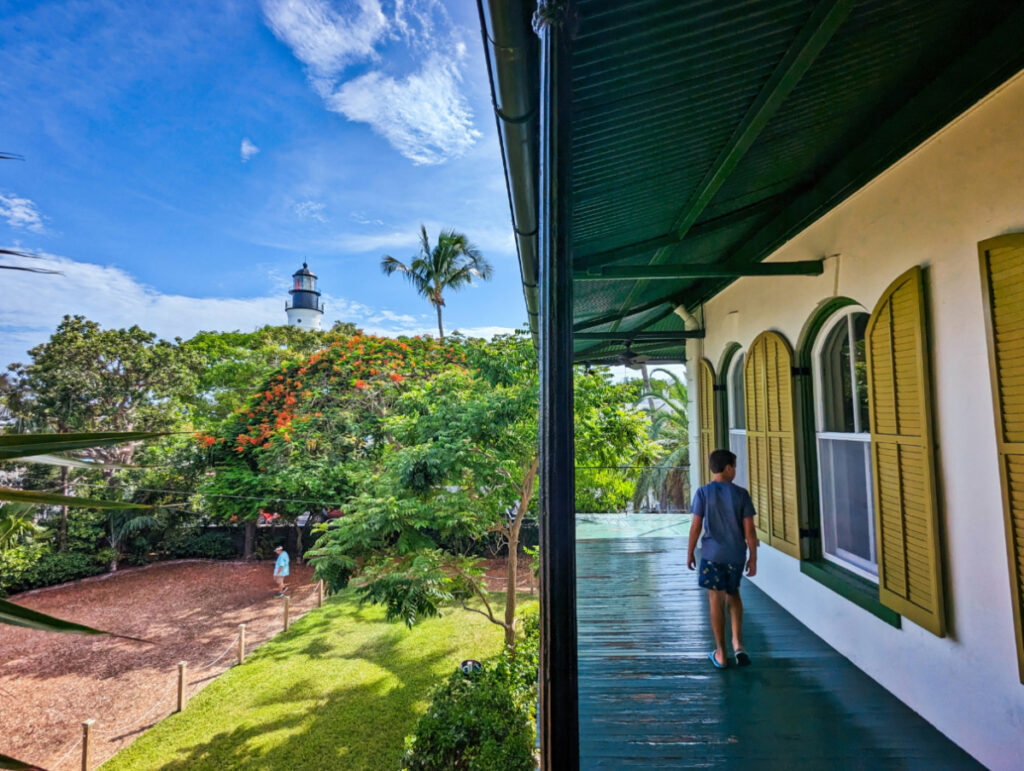
Blue Heaven on Thomas Street makes a natural lunch stop on a full-day route, and the Key West Lighthouse at 938 Whitehead Street sits directly across from the Hemingway Home, making it both a practical navigational anchor and a meaningful historical landmark. The lighthouse predates Hemingway’s arrival by decades but frames the neighborhood he chose to live in and gives visitors a sense of how Old Town Key West was organized during his years there.
More Hemingway Sites in Key West
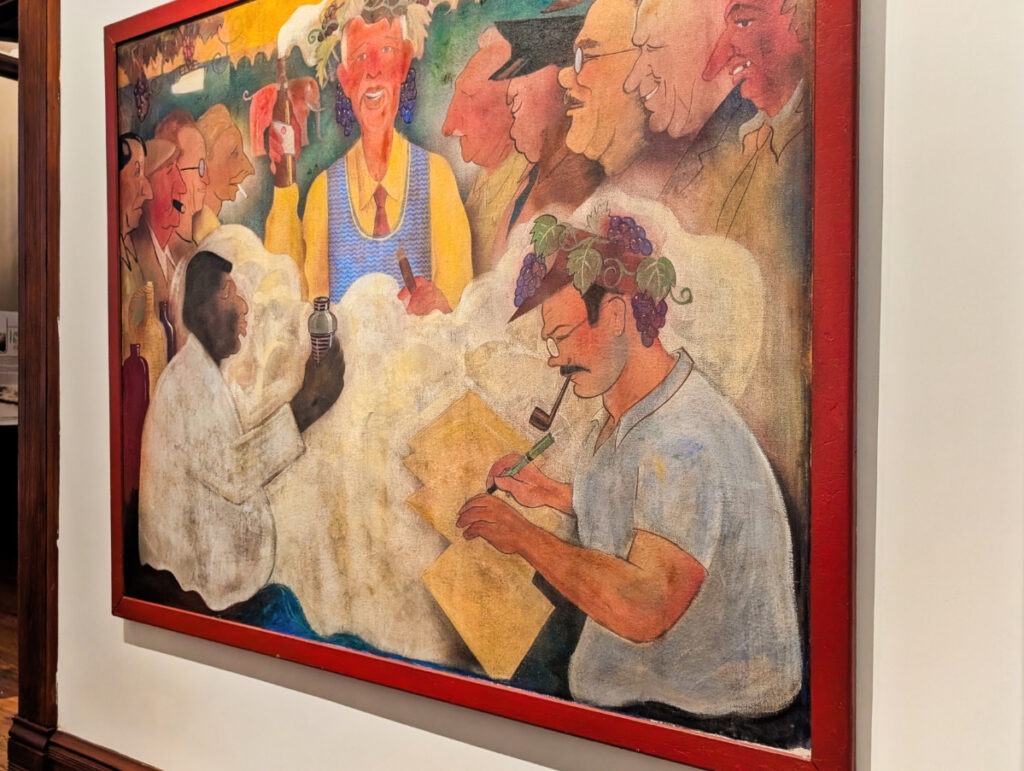
While Ernest Hemingway didn’t necessarily hang out in these spots, I think they’re good additions to your Hemingway themed time exploring Key West. First, the Key West Art and History Museum is actually a wonderful spot to see more Hemingway history. With paintings, manuscripts and exhibits and his time in Key West, it’s a good spot to visit.
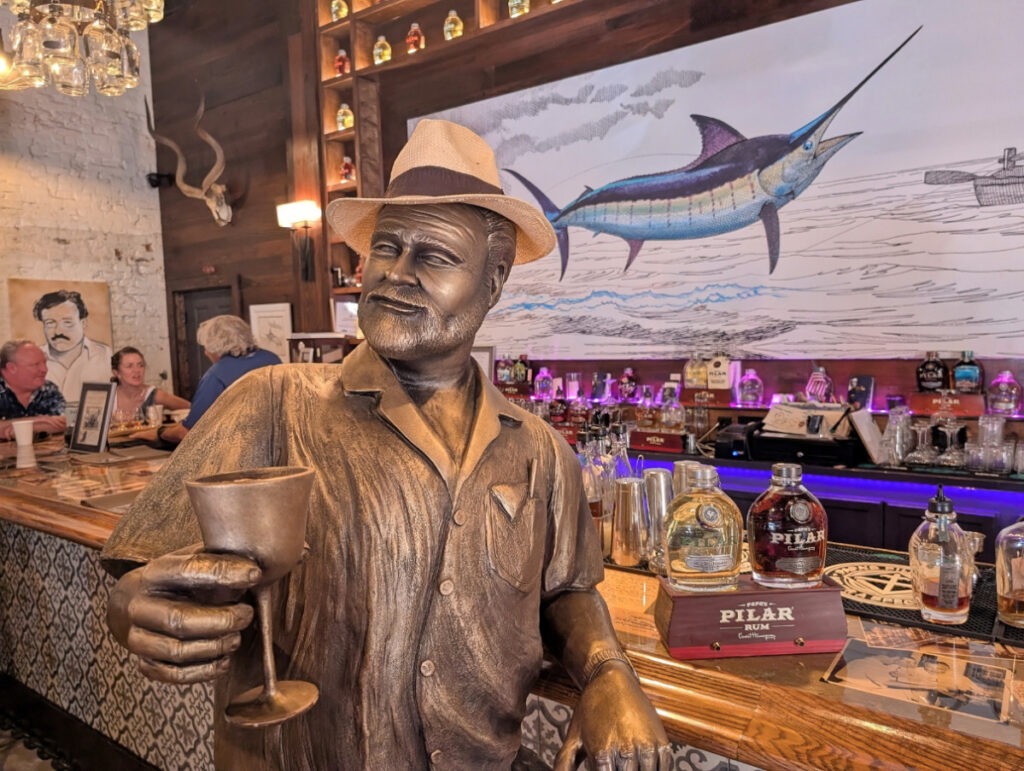
Another must-visit spot is the Hemingway Distillery where you can taste Papa’s Pilar rum and other spirits. They have a great gift shop and it’s FULL OF READING MATERIAL. Get yourself one of Ernest Hemingway’s works and then head next door to the Hemingway Social Club. This is a fun, jazzy lounge space themed with literature, leather and fishing, and of course, the bronze Ernest Hemingway statue.
And you cannot forget that every July there is an Ernest Hemingway look-alike contest. This happens during the Hemingway Days festival in Key West and it’s both hilarious and awesome.
Planning your Hemingway in the Florida Keys experience from start to finish
If you’ve made it this far, then you’re interested in being fully immersed in the Key West that Ernest Hemingway called home for a decade. You can easily walk everywhere, and I would recommend walking a block off Duval or Greene Streets between your stops so you can enjoy the vibe of yesteryear-Key West vs the t-shirt shop version.
Half-day vs. full-day: how to structure your time
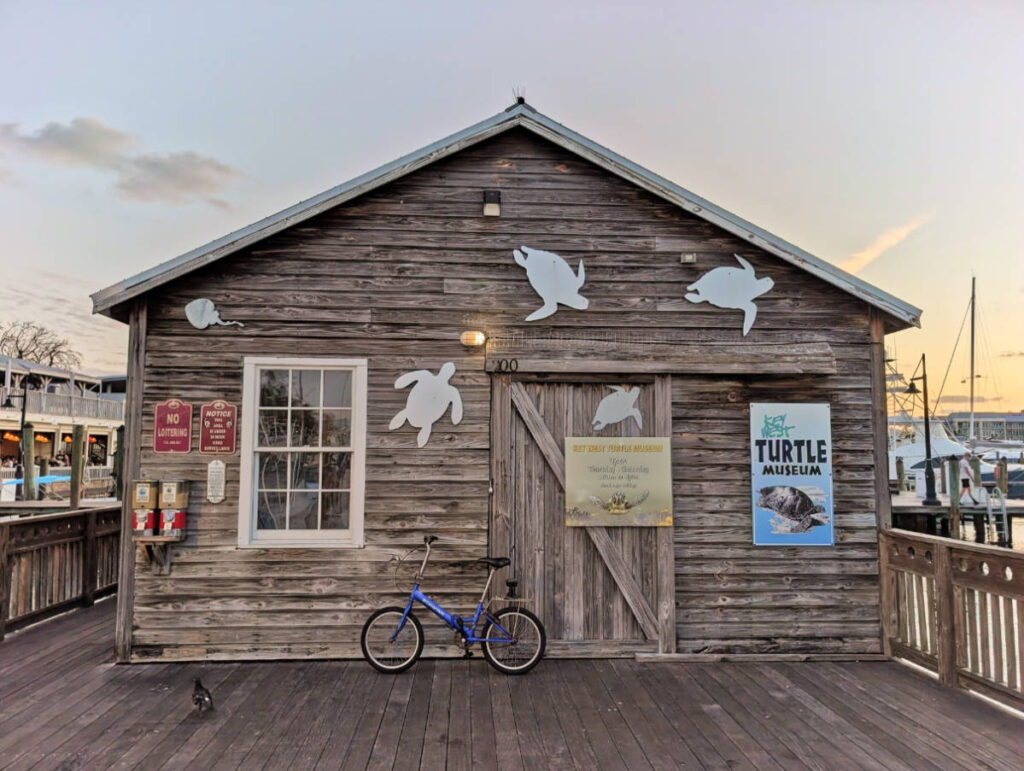
A compact half-day Hemingway loop covers the Hemingway Home, the Key West Lighthouse across the street, Captain Tony’s on Greene, and Sloppy Joe’s on Duval. The total walking distance for this core circuit is roughly 1.7 miles, manageable in comfortable shoes even in the Florida heat. Start at the museum when it opens at 9 a.m. The gardens are at their most atmospheric in the morning, and the crowds thin out considerably compared to midday. A full day adds Casa Antigua, the Bahama Village arena site, Blue Heaven for lunch, and the historic seaport waterfront, which puts Hemingway’s fishing life in physical context even if the waterfront itself has changed considerably since the 1930s.
The Big Picture: the Florida Keys as a whole experience
A Hemingway-focused visit fits naturally inside a longer Florida Keys road trip along the Overseas Highway, with Key West as the southern end of an itinerary that begins at Key Largo and moves through Islamorada, Marathon, and the Lower Keys before arriving at the island where Hemingway spent his most productive years. The Keys are not just Key West, and a single afternoon in Old Town is a starting point rather than a complete experience of what the Keys can be. To really get the historical context that stretches from Flagler’s railway to Hemingway’s years on Whitehead Street, and have a culture-driven experience, you need to get the full picture rather than just the famous highlights.
What made Hemingway’s Florida Keys years exceptional was the combination of a specific place, a specific community, and a creative output that produced some of the most enduring American writing of the 20th century. The Hemingway Home and Museum is the most accessible entry point, but the real experience of tracing Hemingway in the Florida Keys comes from following his full footprint across Old Town, from the original bar on Greene Street to the studio above the carriage house to the waters of the Gulf Stream where he fished with the people who showed up in his fiction.
Build this visit into a broader Florida Keys itinerary rather than treating it as a single afternoon stop. Key West is great for visitors who go looking for the real history beneath the surface, and Hemingway’s story is one of the deepest threads running through this island’s identity. Whether you are a longtime reader of his work or simply drawn to the layered stories embedded in Key West, the experience of following Ernest Hemingway’s footsteps through Old Town is genuinely different from anything you will find on the typical tourist circuit.
If you have any questions about planning your time or more historic figures and sites in the Florida Keys, please leave a comment or send us a note. While our goal is always to help people have fun travel experiences, I love the history side of the Keys and enjoy researching and sharing, so give me a shout if you have questions. Happy traveling!